

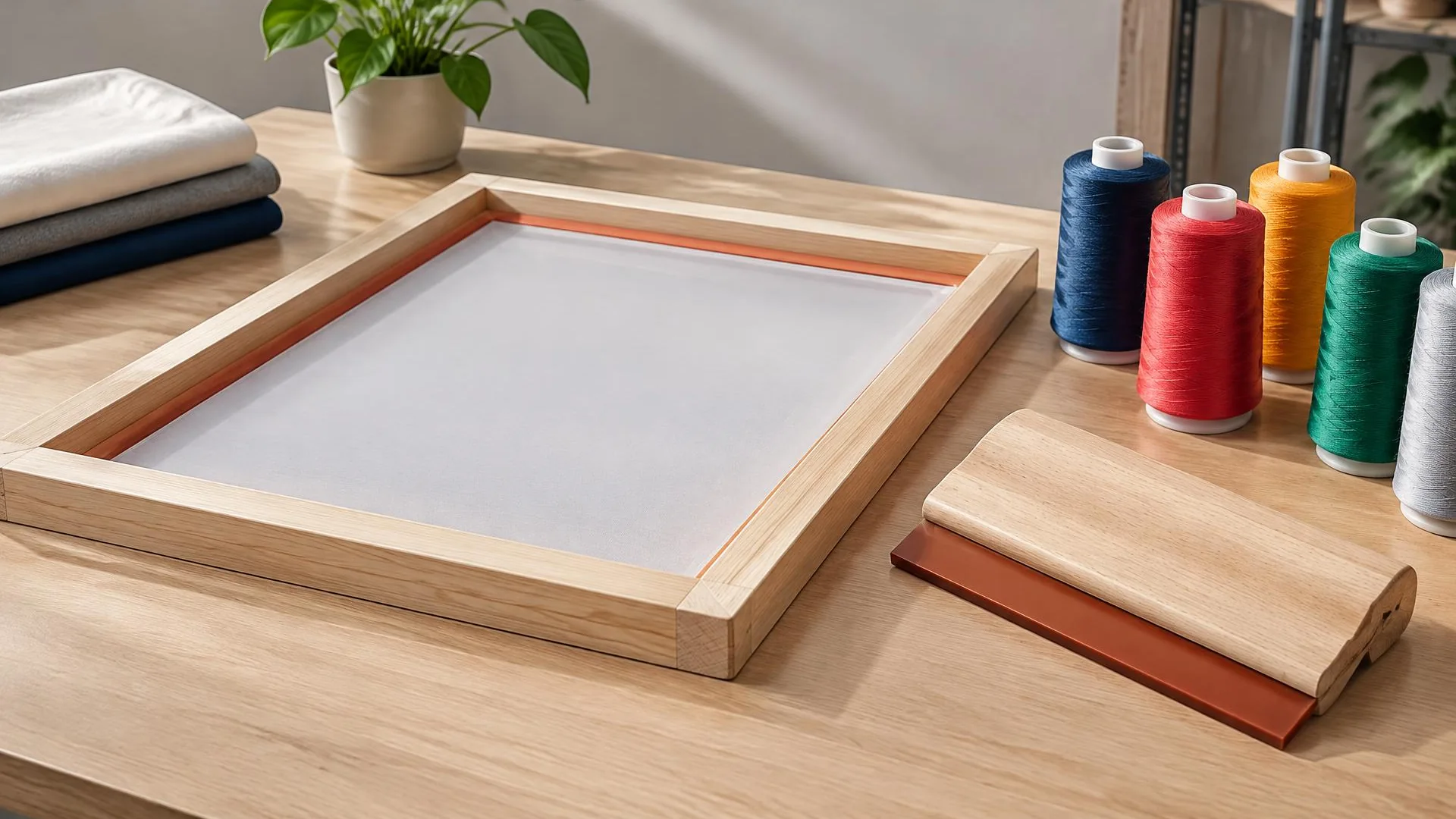
For most company t-shirt orders above a few hundred pieces, screen printing is the best value. Embroidery is the right choice for polos, outerwear and hats where a premium, durable finish matters. Direct to garment (DTG), direct to film (DTF) and heat transfer suit small runs, full color artwork and individual names. Sublimation is for light colored polyester performance wear.
| Method | Best for | Quantity sweet spot | Artwork | Fabric | Durability |
|---|---|---|---|---|---|
| Screen printing | T-shirts, hoodies, tote bags | Larger runs; setup cost spreads across the order | Spot colors; each color adds a screen | Cotton and blends | Very high |
| Embroidery | Polos, outerwear, hats, bags | Any size; cost per piece stays higher | Simple logos and text | Heavier fabrics | Highest |
| DTG | Detailed, full color art | Small runs, no setup | Photos and gradients | Mainly cotton | Good |
| DTF (direct to film) | Full color logos, names and numbers | Any size, no minimums | Full color, fine detail | Works on almost any fabric | Very good |
| Heat transfer | Names, numbers, small batches | Small runs and personalization | Multi color | Most fabrics | Good, can crack with heavy washing |
| Sublimation | Performance wear, all over prints | Medium to large runs | Full color | White or light polyester only | Very high |
Why screen printing wins on large orders
Screen printing has a fixed setup for each color in the design. On a large order that setup is spread across thousands of pieces, so the cost per shirt drops as quantity rises. Digital methods have little or no setup, which helps on small runs, but their cost per piece stays roughly flat. Industry guides place the point where screen printing becomes the better value at around a few hundred pieces, depending on the design. (Source: Printful)
How the number of colors changes the math
Each additional ink color in a screen printed design adds a screen and a press setup. A one or two color logo is the most efficient design for a large run. If your artwork has gradients or photos, ask for a simplified spot color version for screen printing, or consider DTG for smaller quantities.
When embroidery is worth it
Embroidery reads as premium on polos, jackets and hats, and it outlasts printing. It suits simple logos and text. Fine detail and small type can be lost, so logos are often adjusted slightly for stitching. Expect a one time digitizing step for each new logo.
Matching method to a company program
- Company-wide t-shirt: screen printing.
- Leadership or client facing polos: embroidery.
- New hire kits with names: DTG or heat transfer for the personalization, screen printing for the base items.
- Field and safety teams: screen printing or heat transfer on high visibility garments, embroidery on outerwear.
Names and numbers on large orders
Personalized names and numbers can be added to a screen printed order with DTF heat transfers, so a team or company-wide order can carry individual names without changing the main print method.
Why it matters that people keep what you give them
In a PPAI study of 5,674 end users, 48.7 percent kept promotional products for more than five years, and 75.4 percent said the main reason was that the product is useful. (Source: PPAI) A durable decoration on a garment people want to wear is what makes apparel worth the budget.
Frequently asked questions
- What is the cheapest way to print 1,000 shirts?
- Screen printing is usually the lowest cost per shirt at 1,000 pieces, especially with a one or two color design.
- Is embroidery more expensive than screen printing?
- Usually yes per piece, but it lasts longer and looks more premium on polos, outerwear and hats.
- Can you print full color photos on shirts?
- Yes, with DTG or heat transfer for smaller runs, or sublimation on light polyester.